One Tool Too Many: How Fragmented Developer Stacks Quietly Drain Engineering Capacity
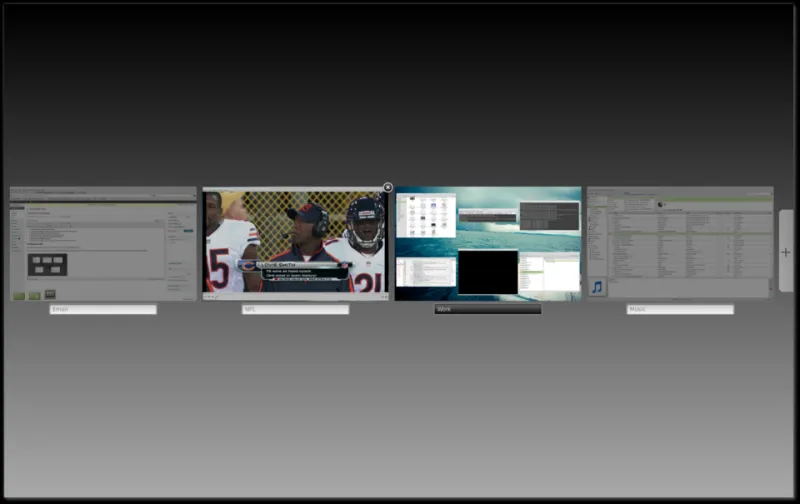
Photo: Linux Mint Cinnamon Developers, GPL, via Wikimedia Commons
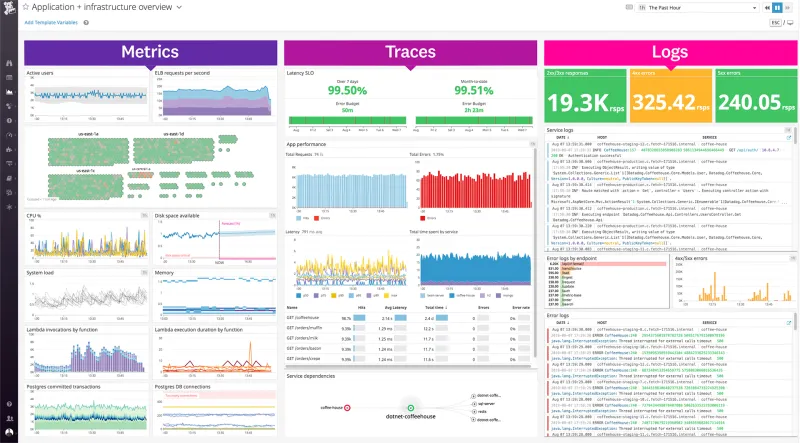
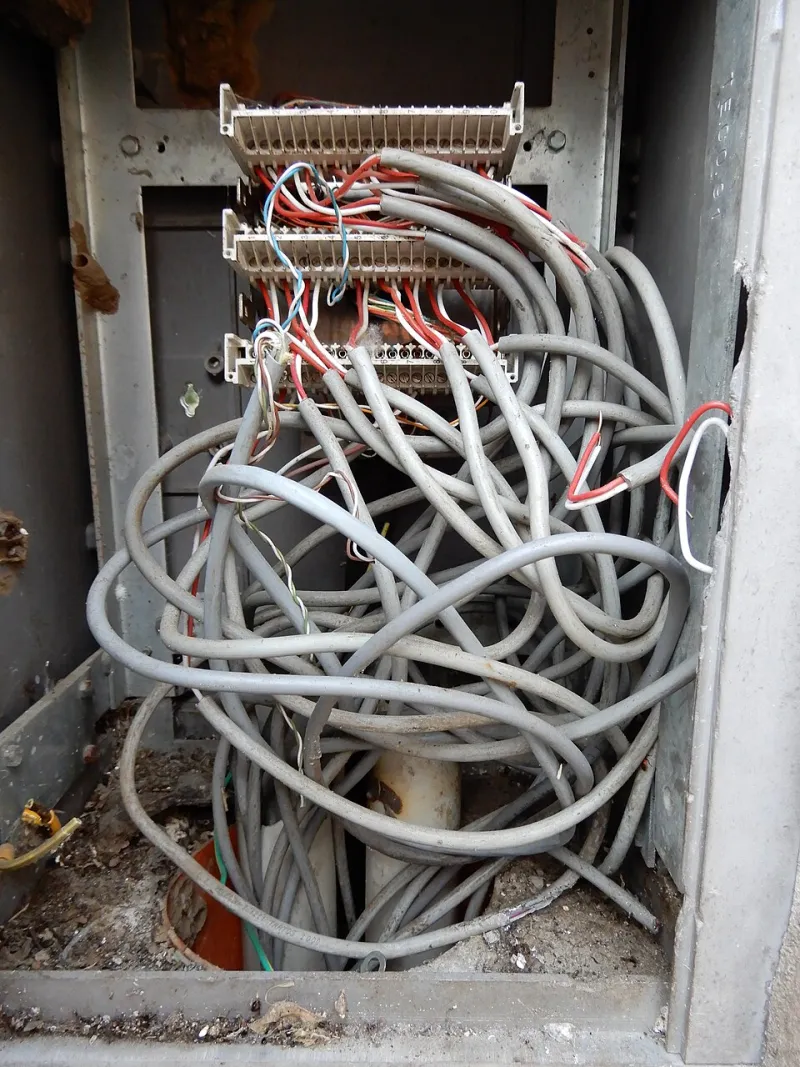
There is a particular kind of organizational debt that never appears on a balance sheet. It does not trigger an alert in your monitoring dashboard, and it will not surface in a quarterly retrospective unless someone is specifically looking for it. It accumulates gradually — one adopted utility here, one inherited plugin there — until your engineering team is operating a small ecosystem of loosely related tools that technically function but collectively undermine every workflow they touch.
This is the reality of tool fragmentation, and for many US engineering organizations, it has become the single most underestimated drag on developer productivity.
The Accumulation Problem
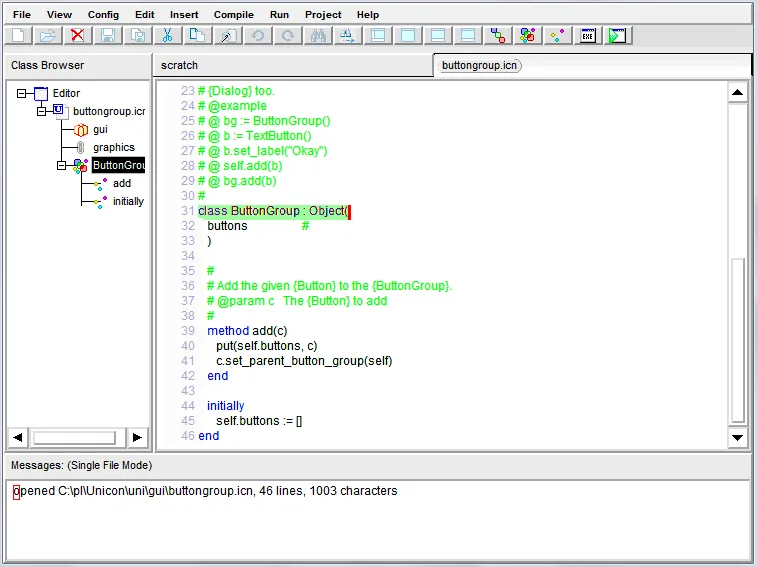
Fragmentation rarely happens by design. It is almost always the result of reasonable decisions made in isolation. A backend engineer adopts a structured logging library that fits a specific microservice. A QA-focused developer introduces a test runner they used at a previous employer. A DevOps team member wires in a deployment utility that solved an urgent problem on a Friday afternoon. Each of these decisions is defensible on its own terms.
The difficulty emerges when those decisions are never revisited. Tools accumulate the way technical debt accumulates — incrementally, invisibly, until the weight of them becomes undeniable. What began as a pragmatic choice becomes a permanent fixture. What was adopted for one project spreads to adjacent ones. And before long, your stack contains four different ways to write a log entry, three competing test frameworks, and two deployment pipelines that overlap in ways nobody fully understands.
According to research from organizations that have formally studied developer experience, engineers at companies with high tool fragmentation spend measurably more time on tooling configuration and interoperability than their counterparts at organizations with consolidated stacks. That time is not going toward shipping features. It is not going toward improving system reliability. It is simply gone.
The Hidden Costs That Never Get Measured
The most obvious cost of tool sprawl is context switching. When a developer moves between tasks and must mentally shift not just the problem domain but also the tooling conventions, the cognitive load increases substantially. Research on deep work and developer focus consistently reinforces what experienced engineers already know: re-establishing context is expensive, and doing it repeatedly across a fragmented toolchain multiplies that cost.
Onboarding is the second casualty. When a new engineer joins a team operating a sprawling tool stack, the documentation burden alone is significant. But beyond documentation, there is the more subtle problem of tribal knowledge — the undocumented conventions, the workarounds, the "we use Tool A for this project but Tool B for that one" nuances that exist only in the heads of long-tenured team members. Every additional tool in the stack extends the runway to productivity for new hires.
Maintenance burden is the third and perhaps most insidious cost. Every tool in your stack is a dependency. Every dependency has a version. Every version eventually requires an update, a security patch, or a migration. When your stack spans dozens of tools, the aggregate maintenance surface is enormous. Teams that have undergone honest audits frequently discover that a non-trivial percentage of engineering time is being consumed simply keeping existing tools functional and current — time that registers in no productivity metric but is very much being spent.
A Framework for Auditing Your Stack
Addressing fragmentation requires a deliberate, structured approach. The goal is not to standardize for standardization's sake, but to distinguish tools that are genuinely earning their place from those that are legacy baggage.
Step one: Inventory with intent. Before you can evaluate your tools, you need a complete picture of them. This sounds trivial and rarely is. Conduct a cross-team survey that captures every tool in active use for logging, testing, debugging, CI/CD, local development, and observability. Include tools that are technically deprecated but still running in some corner of the codebase. The inventory itself is frequently revelatory.
Step two: Map to outcomes, not functions. For each tool in your inventory, document what problem it was originally adopted to solve and whether that problem still exists in the same form. Many tools persist long after the specific conditions that justified them have changed. A logging utility adopted for a monolith may be entirely redundant in a containerized microservices environment where structured log aggregation is handled at the infrastructure layer.
Step three: Measure actual usage. Adoption breadth matters. A tool used by one team member in one project is a very different proposition from a tool embedded across the entire codebase. Usage data — commit history, import frequency, CI pipeline references — provides an objective basis for evaluating whether a tool is genuinely embedded or merely present.
Step four: Score against consolidation potential. For each category of tooling, identify whether a single solution could serve the majority of use cases currently distributed across multiple tools. The goal is not a single tool for every possible scenario, but a sensible default with documented exceptions — a hub-and-spoke model rather than an undifferentiated sprawl.
Making Consolidation Stick
Auditing the stack is the diagnostic phase. Consolidation is the treatment, and it requires organizational buy-in that purely technical arguments rarely secure on their own.
The most effective approach is to frame consolidation in terms that resonate with engineering leadership: onboarding velocity, maintenance overhead reduction, and the compound productivity gains from reduced context switching. These are arguments that translate directly into engineering capacity — which translates into shipping speed.
It is also important to consolidate incrementally rather than attempting a wholesale migration. Identify the highest-impact consolidation targets first — typically the tools with the widest usage surface and the most active maintenance burden — and retire them systematically before moving to lower-priority items.
Finally, establish a lightweight governance process for future tool adoption. The goal is not to create bureaucratic friction around every new utility, but to ensure that new tools are evaluated against the existing stack before they are adopted. A simple checklist — does this overlap with an existing tool, who maintains it, and what is the exit strategy if we stop using it — prevents the organic accumulation that created the problem in the first place.
The Stack Is a Product
The most durable mindset shift for teams grappling with tool fragmentation is to treat the developer stack as a product in its own right — one that requires active curation, periodic evaluation, and deliberate deprecation cycles. Tools that are not actively earning their place in that product are not neutral. They are a cost. And in aggregate, they are a cost that most engineering organizations are significantly underestimating.
The good news is that the audit framework described here is not a multi-quarter initiative. A focused team can complete a meaningful stack audit in a matter of weeks. The returns — in onboarding speed, maintenance reduction, and daily developer focus — compound from the day the first redundant tool is retired.
Fragmentation is a solvable problem. The first step is deciding to measure it.